
Melissa J Harvey (MJ) is a mid-career contemporary artist based in Sydney, Australia, on Gadigal Land. She holds a Bachelor of Visual Arts in Printmaking from Southern Cross University and a Master of Visual Arts from the Sydney College of the Arts.
MJ’s practice is grounded in a deep engagement with place and the textures of their immediate environment. She works predominantly with recycled cotton clothing and domestic cloth, sourced through local community donation, to create works that speak to memory, materiality, and sustainability. Recent career highlights include presenting their research thesis Pulping Spaces at the IMPACT 10 Printmaking Symposium in Santander, Spain, which was later published in Imprint magazine. MJ’s solo exhibition The Silent Pool was held at Lismore Regional Gallery, and she was invited as a guest artist at the Queensland College of Art and Design (Griffith University), where she further developed her pulp printing techniques.
In 2024, MJ was awarded an artist residency at the Morgan Conservatory in Cleveland, USA. They were also a finalist in the Burnie Art Prize and will present a solo exhibition at the Print Council of Australia Gallery in Melbourne in 2025.
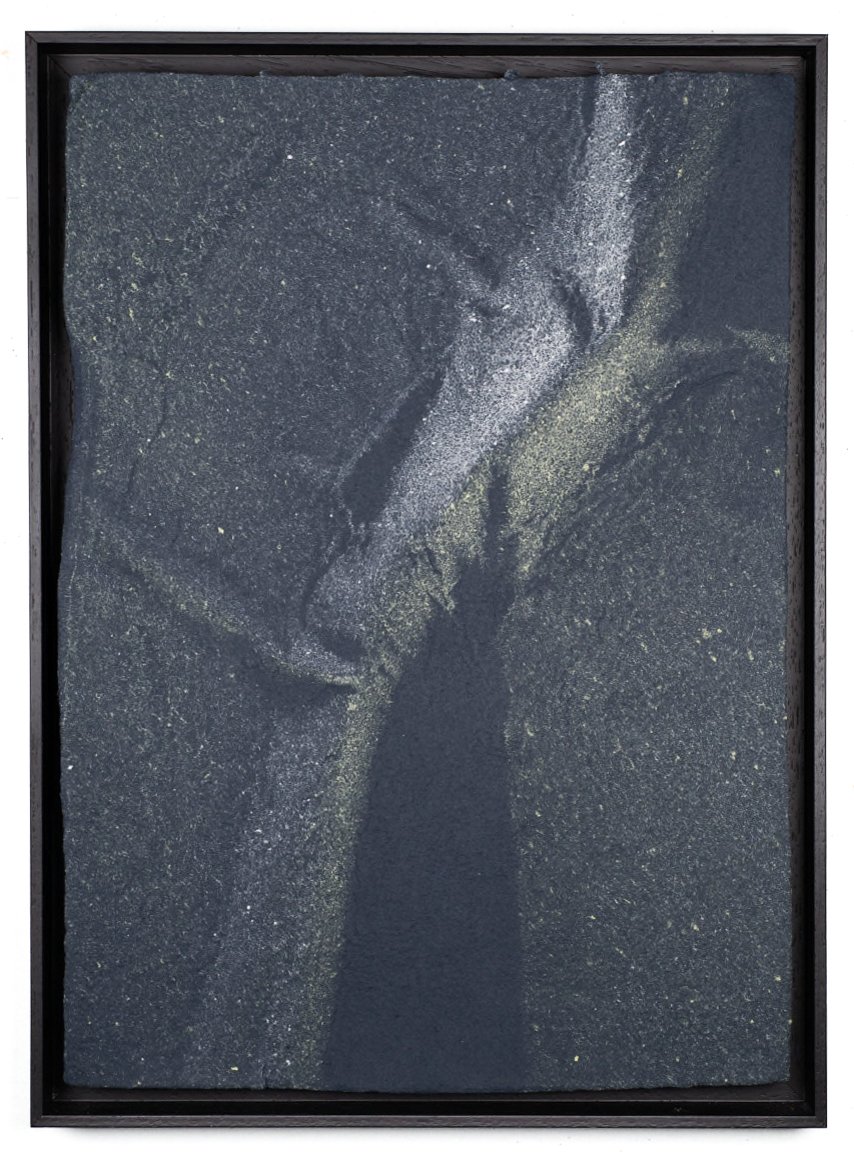
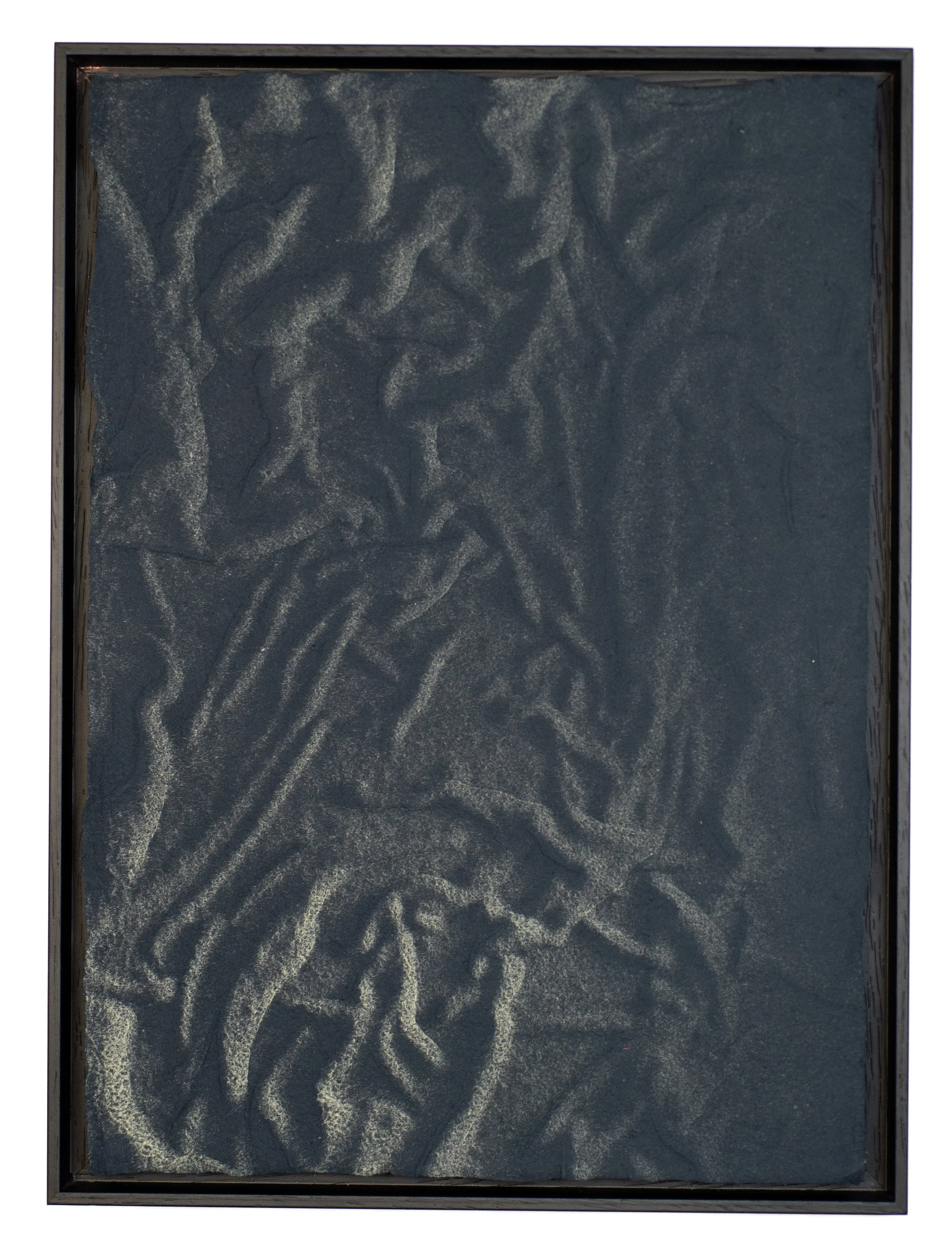
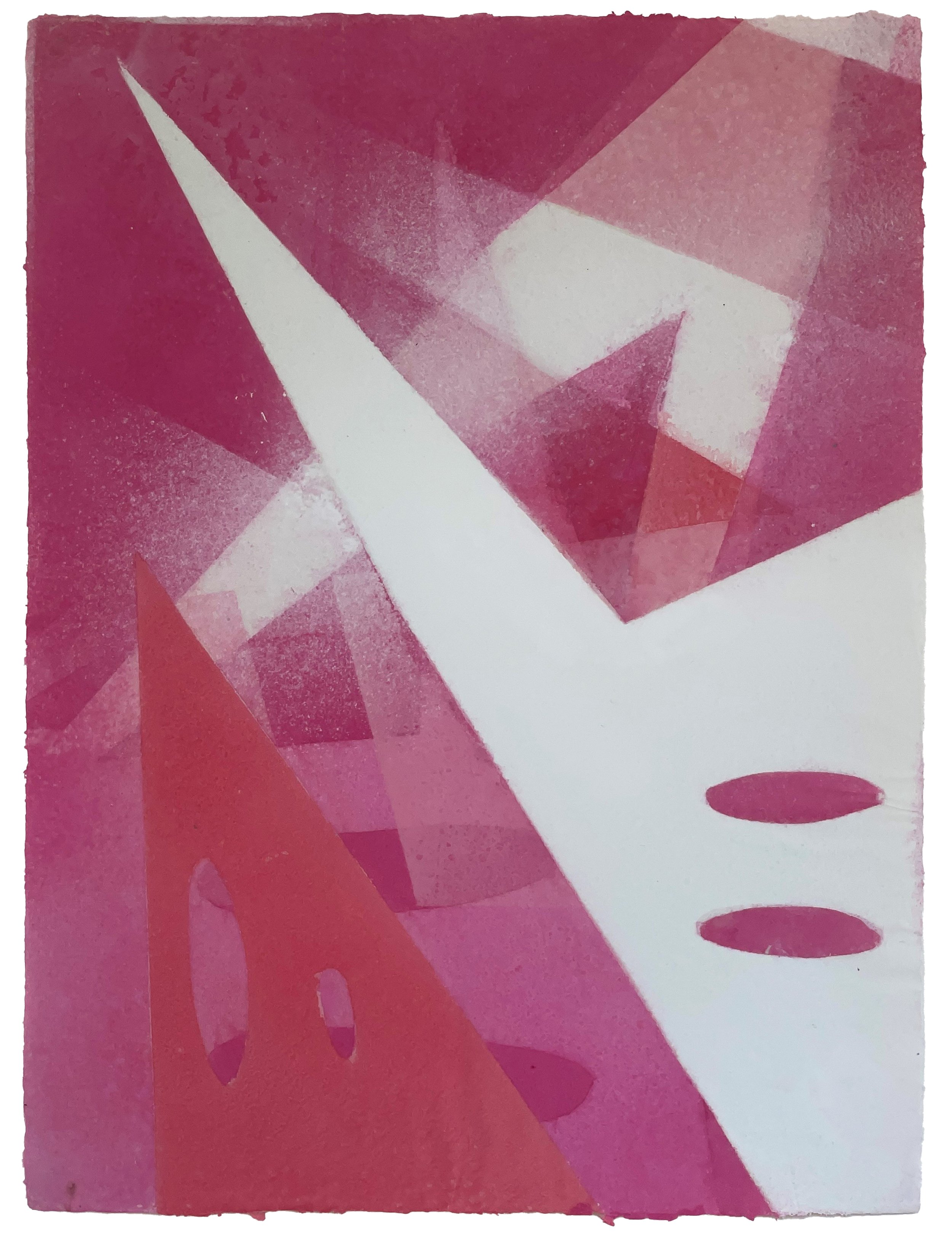
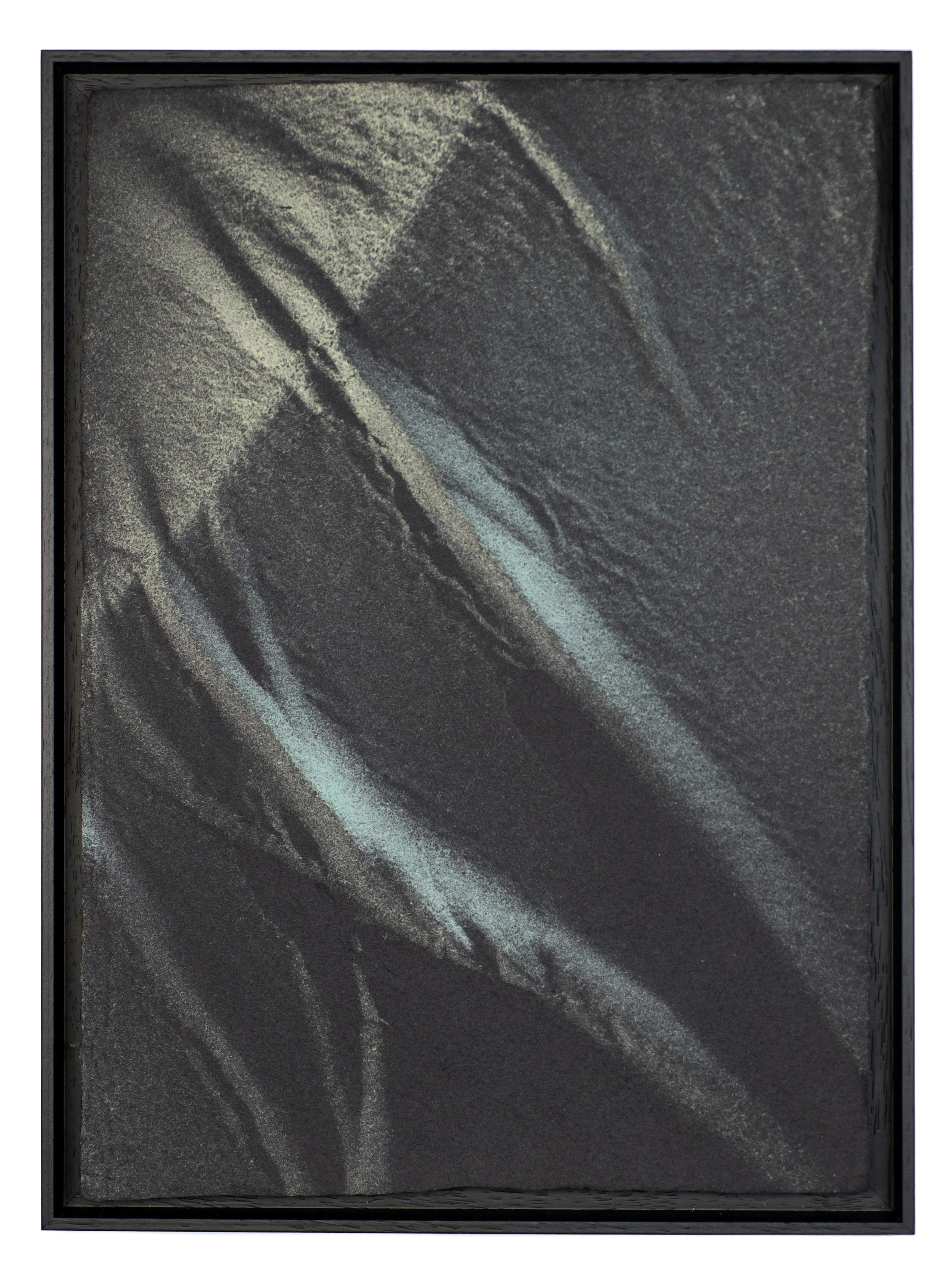
The pulp medium emerges from a process of cutting, tearing, and mechanically beating cotton clothing and domestic cloth. The Guardian series explores techniques using pigment and aqueous solution in cotton linter pulp. It is a combination of making mould and deckle artist made paper out of natural abaca fibre large cotton quilt covers and blue mechanic overalls. The dream figures themselves serve as stencils for MJ’s pigment spraying experimentation. Through receiving donated used textiles from their immediate community the artist embraces both the physical material and the accompanying stories of each item. These personal histories, at the Morgan Conservatory were, mixed with MJ’s own experiences, creating narratives that they retell through pulp prints and objects meticulously layered with delicately sprayed textural surfaces.